The Biological Resonance of Scent
From emotional wellness to physical vitality, aromatherapy works in the most subtle ways — reshaping the air we breathe, the spaces we inhabit, and the lives we live.
Scent is the quietest language the body understands.
Throughout human history, we have found that certain natural elements enhance our wellness in ways both measurable and profound. Aromatherapy is among the most subtle — a practice that works not through force, but through the air itself.
You are at work and stressed, and a diffuser hums quietly in the corner — and the room becomes calm. You are ill in a hospital, and instead of harsh chemical cleaners circulating through the air system, essential oils of certain plants help purify the atmosphere, with a positive effect on the people breathing it.
From plant life to biological life, aromatherapy and natural wellness care touch everything around them. This is an exploration of how.
The nervous system, spoken to in molecules.
Stress, anxiety, sleeplessness, low mood — these are conditions of the nervous system, and the nervous system listens to scent. Certain essential oils interact with neurochemistry to calm, ground, or uplift, often within minutes of inhalation.
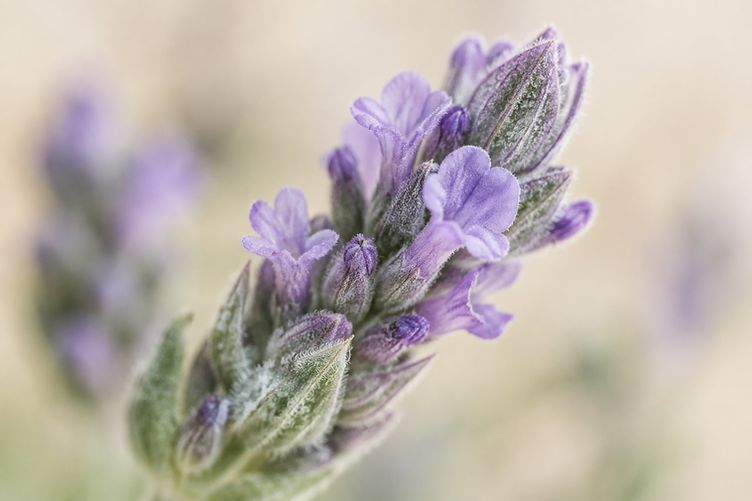
- Lavender and bergamot lower cortisol and ease anxious arousal.
- Frankincense and sandalwood slow the breath and quiet the mind.
- Citrus oils — sweet orange, lemon, grapefruit — elevate mood and energy.
- Pine and cedarwood bring the grounding calm of the forest.
- Ylang ylang, lemongrass, and vanilla warm, balance, and uplift the senses.

The body, supported by what the plant already knows.
Essential oils carry the defensive and regenerative chemistry of the plants they come from. For respiratory comfort, immune support, pain relief, and skin care, aromatherapy offers gentle, biologically compatible tools that work with the body rather than against it.
- Eucalyptus and peppermint open the airways and ease respiratory tension.
- Tea tree and ravintsara carry broad antimicrobial and immune-supporting properties.
- Helichrysum and chamomile soothe inflammation and support skin recovery.

How do you feel right now?
Choose what describes you, and see which botanical oils the mechanisms above point to, alongside what this community has reported.
Select a mood or goal and the recommended oils will appear here.
From the desk to the ward — scent in the spaces we inhabit.

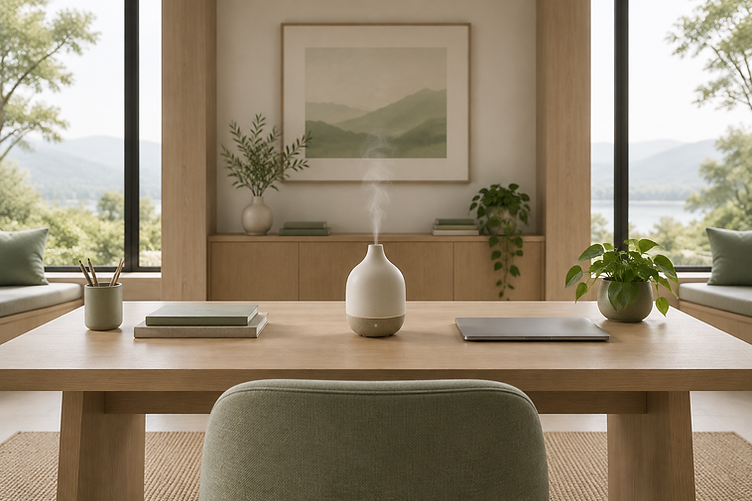
Calm, diffused into the air we share.
In offices and shared workspaces, diffusers quietly disperse essential oils into the air. The effect is subtle but collective — stress softens, focus sharpens, and the atmosphere itself becomes a participant in wellbeing rather than a source of tension.


Purification, without the cost of harsh chemistry.
In hospitals and care environments, certain essential oils offer an alternative to aggressive chemical air treatments. Plants like tea tree, eucalyptus, and ravintsara carry natural antimicrobial properties — cleaning the air while supporting, rather than taxing, the people breathing it.
How something invisible changes something measurable.
Aromatherapy's subtlety is not its weakness — it is its mechanism. Here is what research and long human experience tell us about how scent shapes wellness.
The Olfactory Pathway
Scent molecules travel through the nasal cavity to the olfactory bulb, which connects directly to the limbic system — the brain's seat of emotion and memory. This is why a single aroma can shift your state before a single thought forms.
The Limbic Response
The amygdala and hippocampus respond to essential oil compounds by modulating stress hormones, heart rate, and neurotransmitter activity. Lavender lowers anxiety markers; citrus elevates mood. The body listens, and the body answers.
Antimicrobial Action
Many essential oils — tea tree, eucalyptus, oregano, ravintsara — carry compounds that inhibit airborne and surface pathogens. In clinical settings, this means air that is cleaner, achieved through biology rather than synthetic chemistry.
The Environmental Ripple
What purifies the air for us also interacts with the plant life and biological systems around us. Natural wellness care, at its best, supports the whole ecology of a space — human, botanical, and microbial alike.
Share your experience with the wellness map.
Contribute your anonymous aromatherapy experience. We screen and aggregate every submission to build a living picture of what works, for whom, and in what settings.
Share your experienceRead the newsletter, on your own time.
No inbox, no algorithm — just a destination for deep reading on the science, history, and practice of aromatherapy and natural wellness.
Read the newsletter